Partner Content
Addis Ababa, Ethiopia

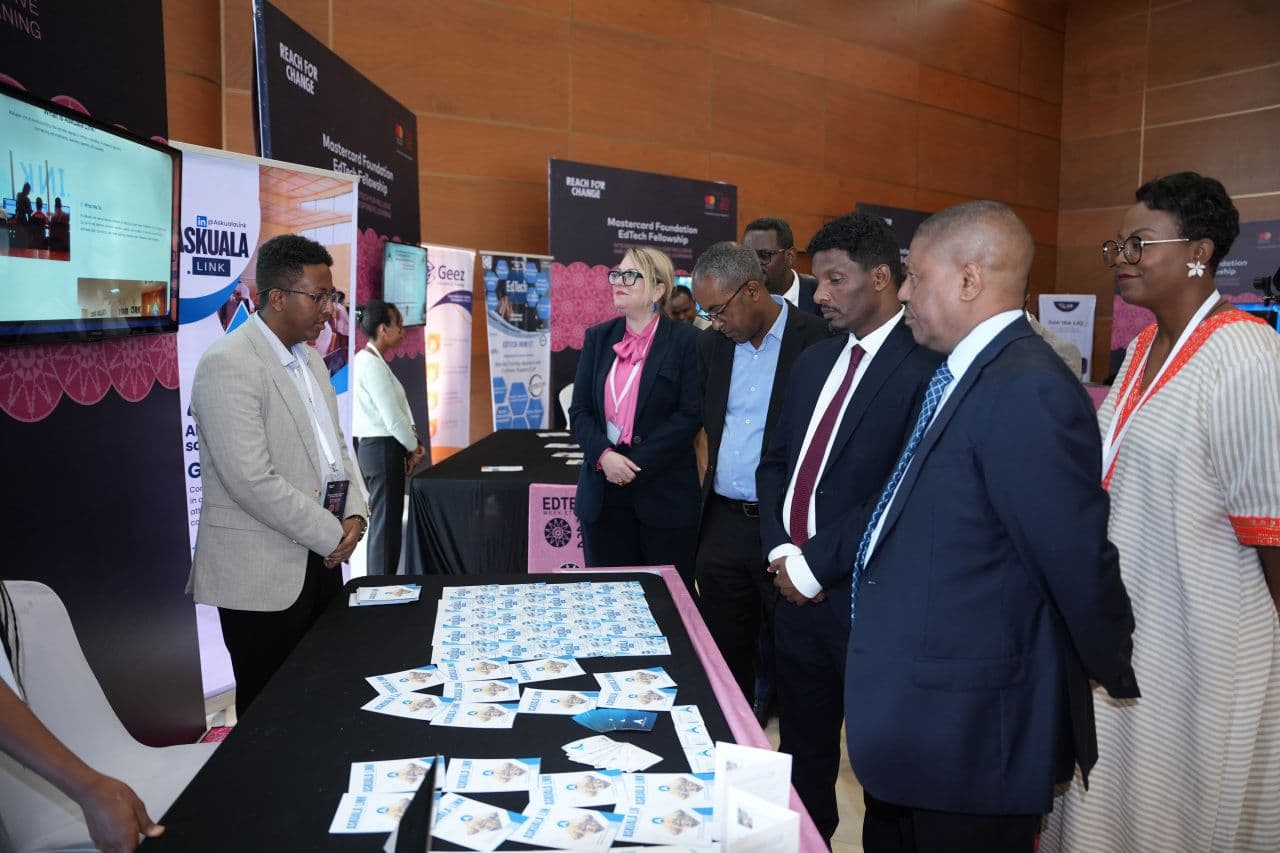
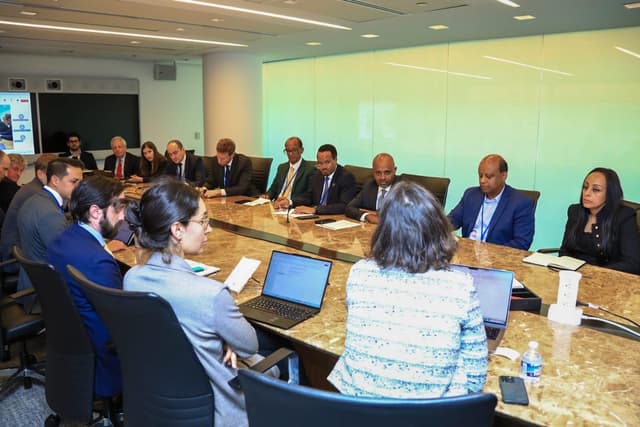
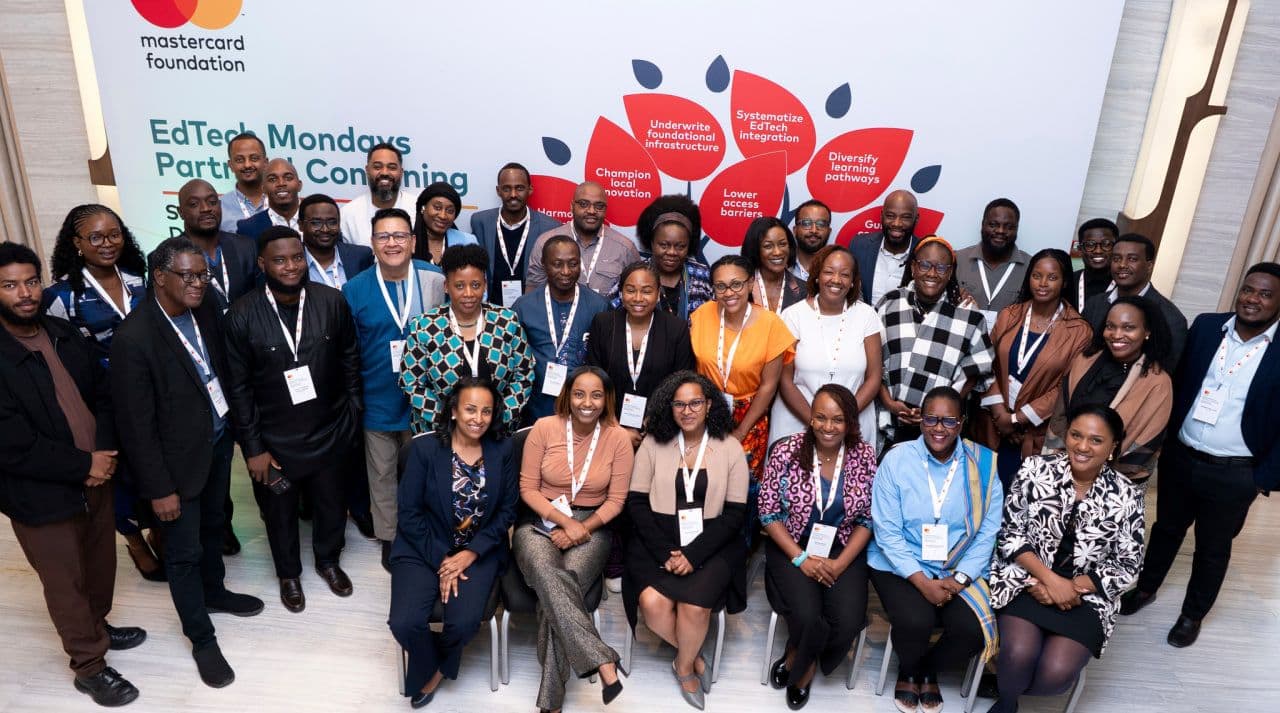
Last week, on December 3–4, the EdTech Mondays Partner Convening brought together EdTech partners and stakeholders from across the continent to Addis Ababa, where the Mastercard Foundation hosted the gathering at the Hyatt Regency Hotel under the theme “Shifting Mindsets, Deepening Impact”.
A palpable sense of momentum filled the two-day gathering as around 60 participants came together to measure tangible progress, showcase systemic impact, and align the initiative’s future with the broader mission of its anchor institution, the Mastercard Foundation.
“Education is a key enabler in our effort to create dignified work opportunities for young people and the disadvantaged.” Says Mefthe Tadesse, Ethiopia Country Director of the Mastercard Foundation, in her opening remarks.
According to her, the Mastercard Foundation’s Young Africa strategy is rooted in a simple reality that by 2030, Africa will have the largest workforce in the world. “This is why young people remain at the center of everything we do. Their voices, their learning, and their pathways to dignified and fulfilling work are what we all care about. EdTech Mondays is one of the ways we listen to them, learn from them, and co-create solutions with young people at the center.”
The Foundations Young Africa strategy targets enabling 30 million young Africans, prioritizing women and disadvantaged groups to fulfill their livelihoods by 2030, with Ethiopia alone aiming for 10 million, from which 70% women and 10% from displaced or disabled communities, across agribusiness, manufacturing, and digital sectors.
Since its launch in 2019, the strategy has been implemented in partnership with the public and private sectors. The Foundation has connected over 5 million young people to opportunities, with 63% women, according to Mefthe, though she acknowledged the scale of need: “Compared to the challenge we face, this is still just a drop in the ocean.”
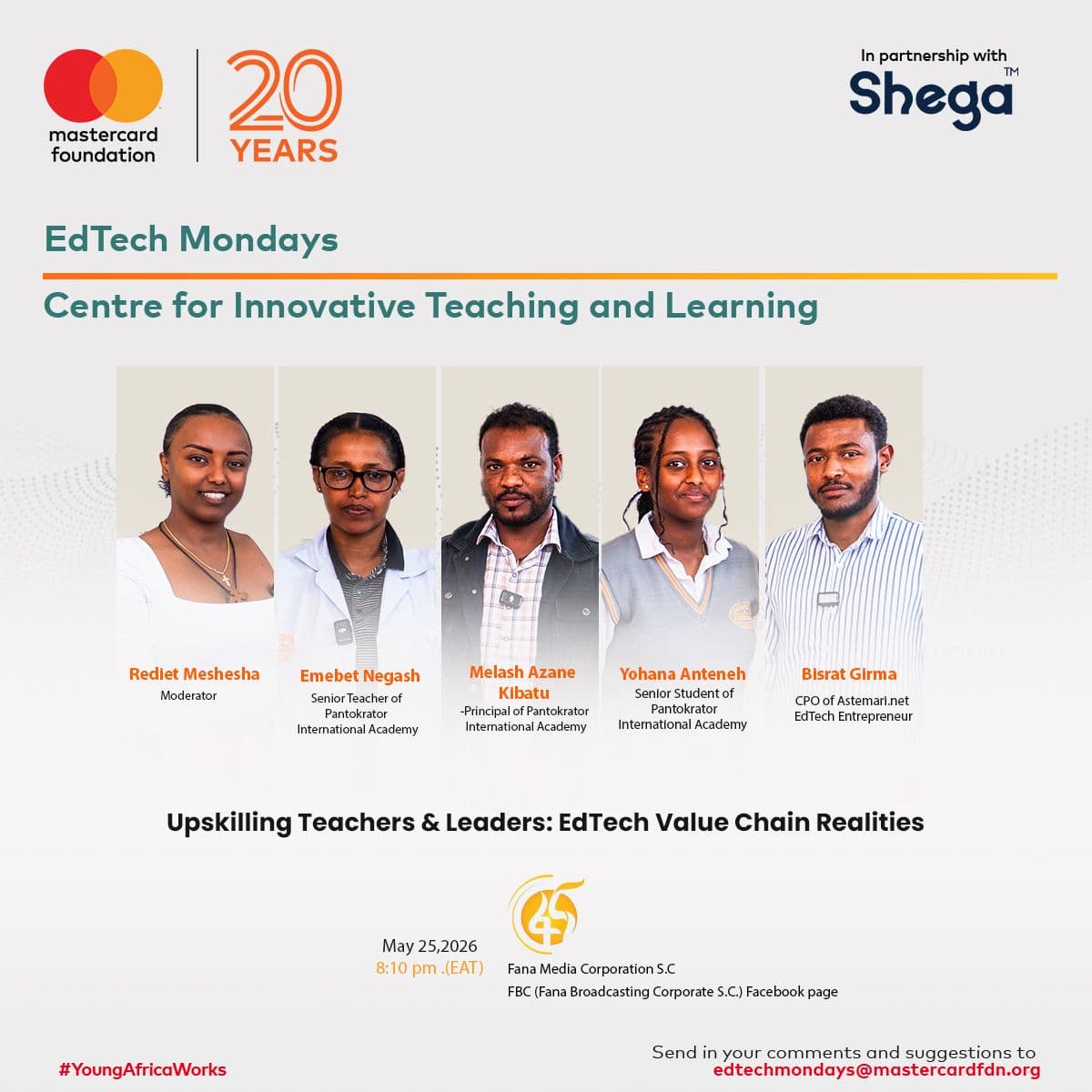
The EdTech Mondays Report Highlights & Progress on the 10 Recommendations, a centerpiece from the agenda, was delivered by Suraj Shah, Head of Strategic Partnerships and Thought Leadership at the Mastercard Foundation’s Centre for Innovative Teaching and Learning (CITL), which leads the Edtech Mondays initiative.
According to Suraj in 2025, EdTech Mondays has focused on hosting policymakers and implementers, including Ministers of Education, Ministers of ICT, to share insights on progress made, strategies for implementing EdTech in their countries, and their calls to action on the 10 recommendations for consideration from the inaugural Mastercard Foundation EdTech Conference held last year in Abuja, Nigeria.
Across eight monthly dialogues broadcast in eight regions, the platform reached 39.6 million viewers in 2024, an 80% increase from 2023 through televised editions on Kenya’s NTV and Uganda’s NTV, Rwanda’s Kigali Today, WAEMU’s TV5 Monde, and the pan-African CNBC Africa, alongside radio broadcasts on Ghana’s Citi FM, Nigeria’s Lagos FM, and Ethiopia’s Fana FM.
“One of the clearest lessons emerging from our EdTech Mondays engagements are that technology alone does not transform learning. People do when they listen, collaborate, and act with intention,” he noted. He further emphasized that tracking progress against the recommendations is critical, as it provides tangible evidence of system-level change across different nations, surfaces emerging innovations and policy pathways, and generates crucial insights to guide future investment and partnership models.
The report also detailed substantive, system-level changes directly linked to the platform’s work. In direct response to the call for governments to be both enablers and consumers of quality EdTech, the initiative launched an EdTech Policy Academy engaging twenty-two countries, with five currently developing or reviewing comprehensive national policies with direct support. It has strengthened crucial policy coordination, notably contributing to the development of Nigeria’s National EdTech Strategy through significant inter-ministerial collaboration.
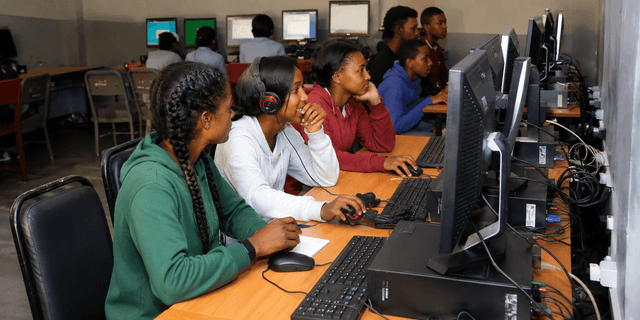
Meanwhile, through the EdTech Fellowship, curriculum reforms have begun to take hold, creating conditions that allow EdTech companies to expand their services into public school systems. The program’s commitment to inclusion is evident in the fact that 62 percent of Fellowship learners are young women, and the platform has consistently championed frameworks such as Sierra Leone’s National Policy on Radical Inclusion. These efforts have contributed to gradual shifts in institutional attitudes, with some schools now allowing smartphones and tablets as learning tools, according to Suraj.

Edtech Mondays has also demonstrated significant community-level impact by prioritizing localization and lived experiences, operating on the principle that a "one-size-fits-all" approach is ineffective. This focus drives the development of solutions tailored to specific cultural and linguistic contexts. In Kenya, this was evidenced by the initiative dedicating seven out of ten episodes to on-location field stories, a program high to provide a holistic view of EdTech adoption in urban, rural, and community settings. Similarly, the WAEMU region expanded its physical presence into schools and training centers to show EdTech as a "living dynamic" driven by local communities.
During the convening, participants also addressed structural challenges that threaten sustained progress. A primary concern was funding limitations, particularly short-term cycles that hinder long-term planning and sustainability. Partners emphasized a critical gap in dedicated Measurement and Evaluation (M&E) funding, which constrains the ability to assess educational outcomes beyond basic reach metrics and limits the development of a strong evidence base. Difficulty securing consistent, high-level government engagement was also noted as a barrier to direct policy influence. Additionally, participants identified opportunities to strengthen the content strategy for the Africa Edition, such as co-creating solutions with teachers and students, collaborating with major technology firms, telecoms, and foundations, and co-producing content with regional bodies including the African Union, ECOWAS, SADC, and EAC.
Day two opened with a recap video and context-setting remarks from the Foundation, followed by deep-dive discussions on gaps and priority areas within EdTech Mondays. An Ethiopia-focused town hall drew 30 attendees, reinforcing these calls to action and closing with commitments to alignment, accountability, and platform evolution. Over the two days, the program also featured partner presentations reflecting on implementation across 2024–2025, peer learning exchanges, thematic discussions, a session on storytelling within the EdTech Mondays format, and a strategic planning session.
The convening concluded with closing reflections that distilled two days of rich discussion and urged partners to carry the momentum forward.
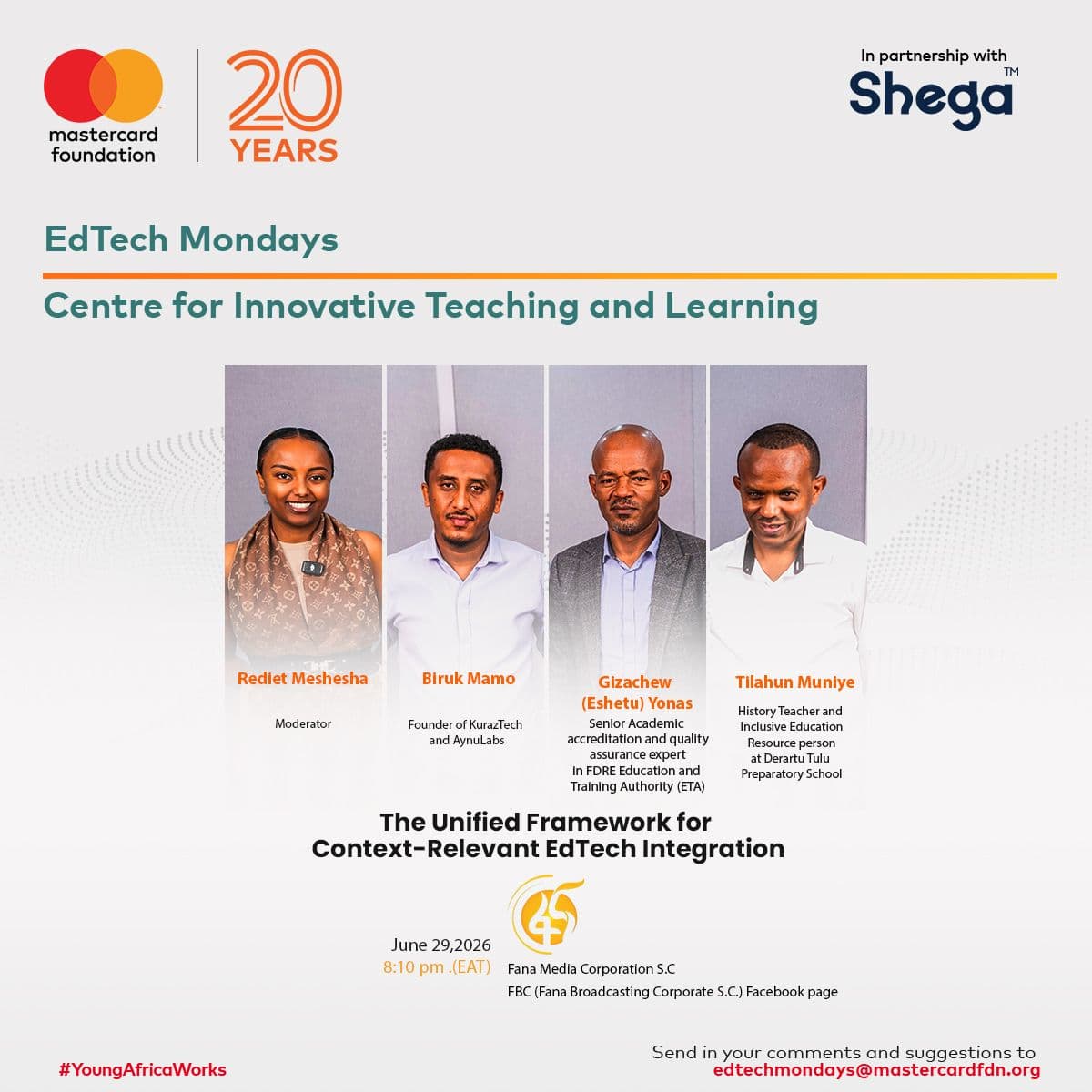
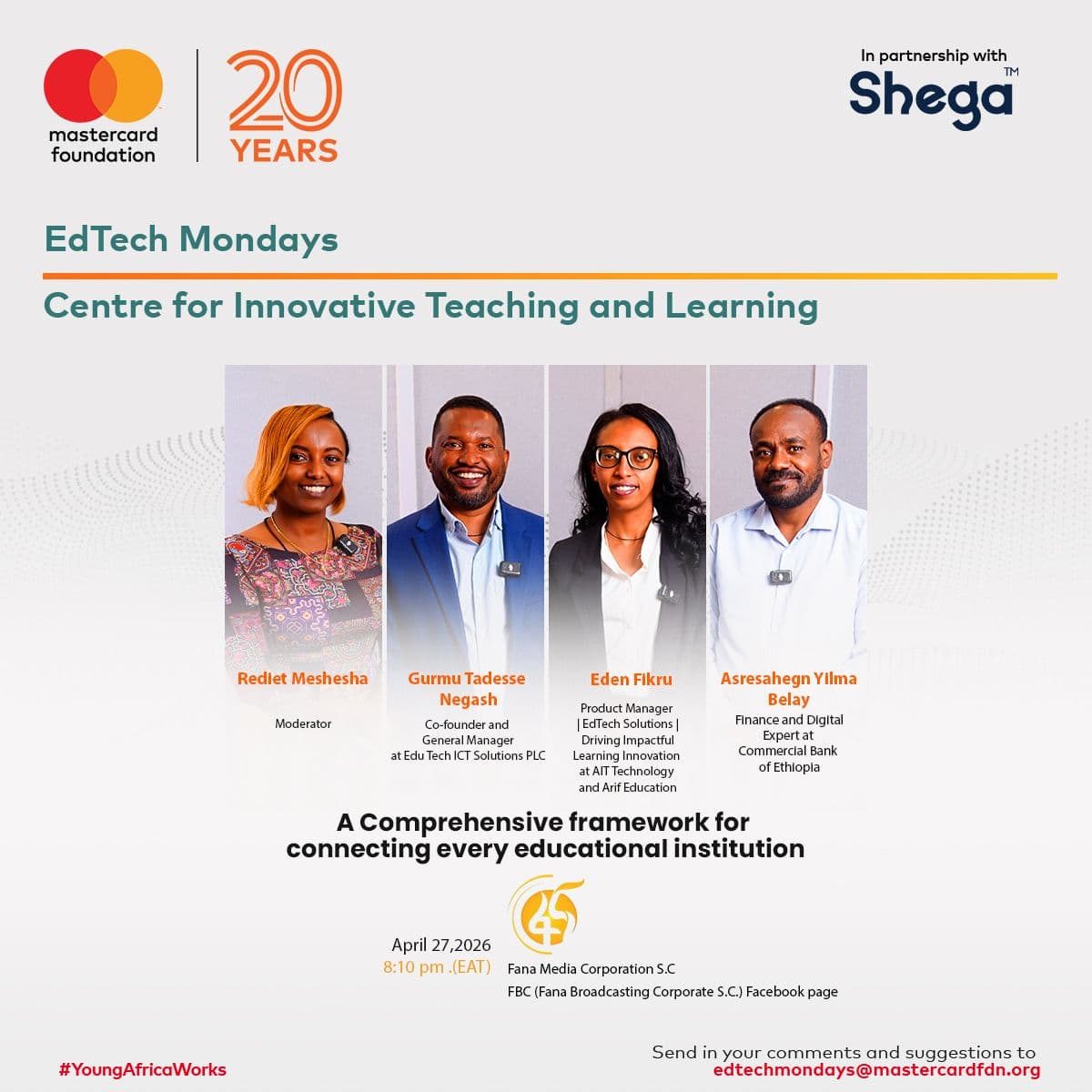
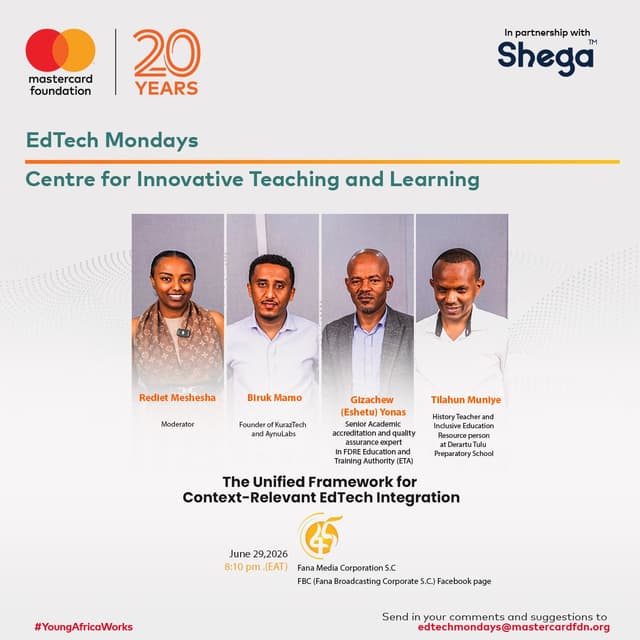
EdTech Mondays is an initiative led by the Mastercard Foundation’s Centre for Innovative Teaching and Learning. Launched during the height of the COVID-19 pandemic in 2020, it began as Facebook Live discussions before expanding later that year into broadcast shows in Kenya and Ghana. By 2021, it had evolved into an integrated, continent-wide monthly conversation, produced in partnership with CNBC Africa and streamed via the Mastercard Foundation Young Africa Works Facebook page.
In Ethiopia, EdTech Mondays was launched in October 2022 as a platform for critical dialogue on technology in education, convening policymakers, entrepreneurs, teachers, and parents. As the Country Director noted, it has since grown into a regular forum where the entire ecosystem connects to foster synergy and drive tangible impact.
👏
😂
❤️
😲
😠
Partner Content
Partner Content is a collaboration between us and our partners to deliver sponsored information that aligns with your interests.
Your Email Address Will Not Be Published. Required Fields Are Marked *