
Logo

A House Without a Foundation: Inside Ethiopia’s Education Emergency

Post Img

As many as 90% of Grade 4 students in Ethiopia might not be able to read a simple paragraph.

December 5, 2025
Team Shega Avatar

Team Shega

Addis Ababa, Ethiopia

Post Img

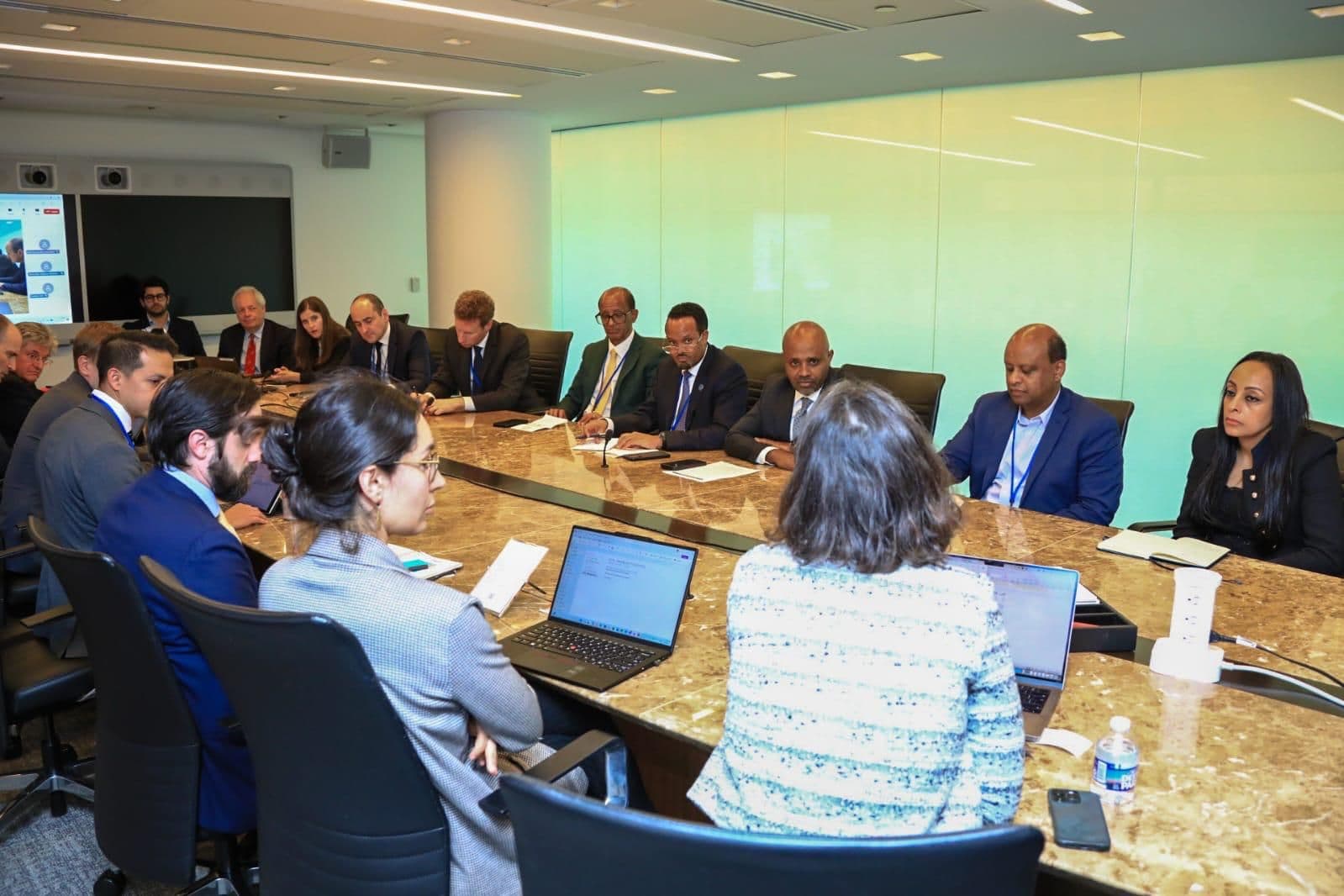
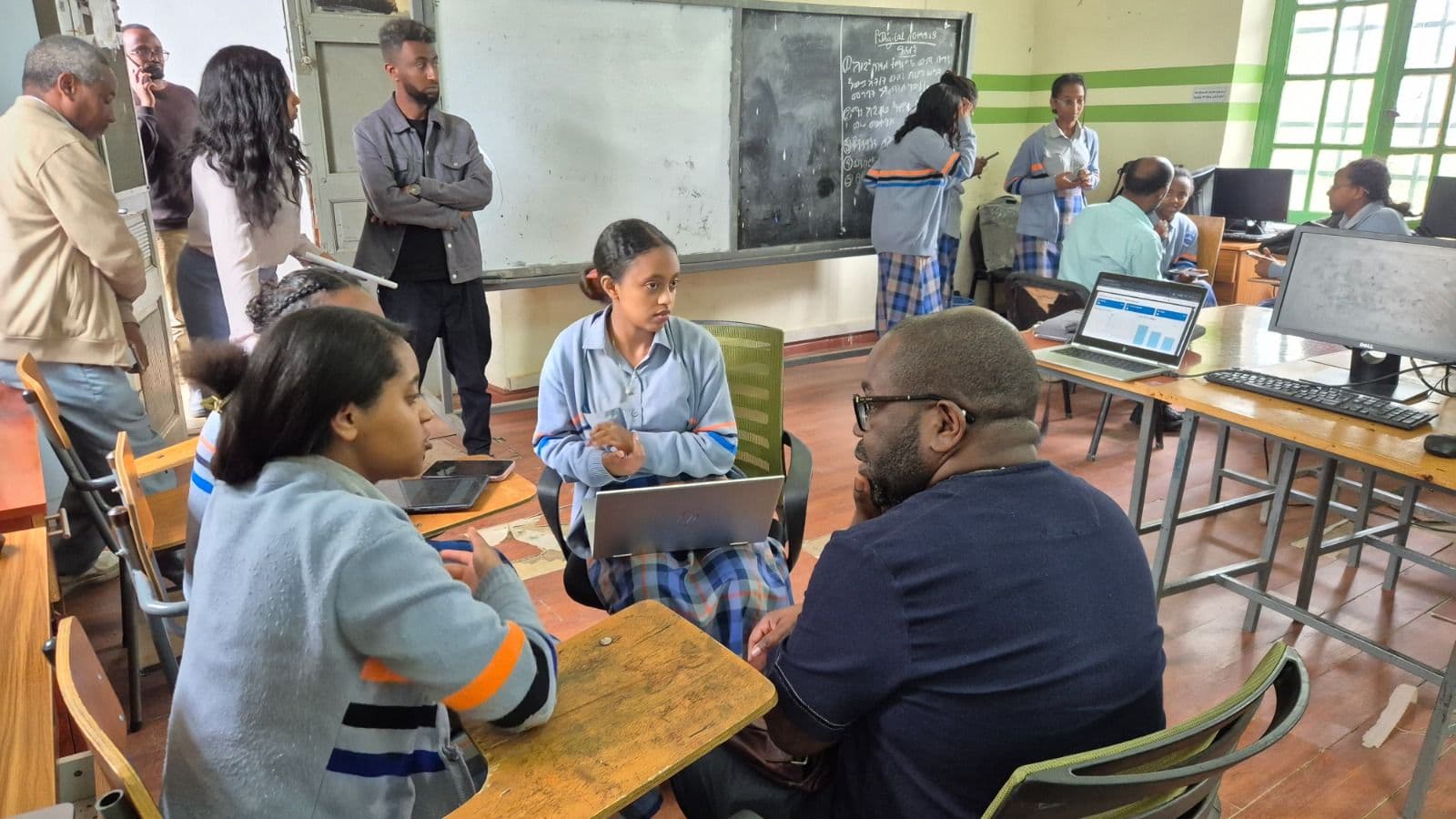
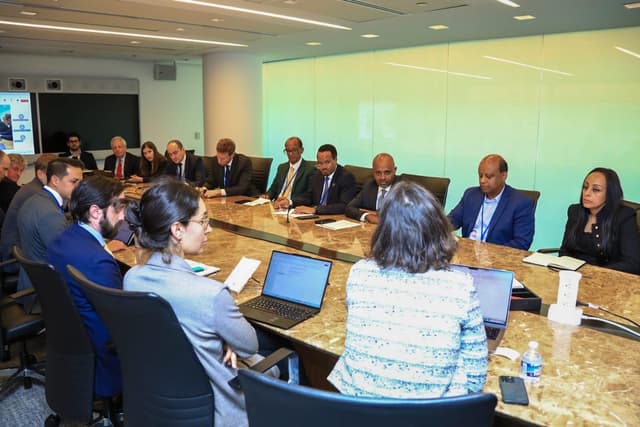
On the last Friday of November, a diverse group of stakeholders in Ethiopia’s education system gathered at the British Council for a discussion many felt was long overdue. Officials from the Ministry of Education, representatives of international and local institutions, researchers, teachers and even students in uniform filled the hall, hoping to confront a system many agree is in deep crisis.

The sense of urgency was unmistakable. Ethiopia’s education challenges can no longer be glossed over with reform slogans or donor-funded pilots, that sentiment hung heavy over the event.

The National Education Reform Forum was organized by the Let's Talk About Education Community, in collaboration with the Oromia Education Bureau and the British Council. After holding over 65 community dialogues nationwide, they opened this latest conversation with a tone that was both urgent and reflective, bringing together voices that rarely share the same room, let alone the same opinions. Yet one thread united them, the learning crisis has crossed a threshold. Ignoring it is no longer an option.

“We have had five major reforms, all of them failed,” said Kasa Michael (PhD), one of the forum’s leading figures with decades of experience in the country’s academia. “Our policies are ambitious on paper, but without teachers, without motivation, without leadership, a policy is just a document. We must learn from our failures. Not repeat them.”

If anyone doubted the severity of the situation, UNICEF’s Ethiopia education chief, Chance Briggs, offered sobering data. According to the latest national learning assessments, about 90 percent of Grade 4 students cannot read and understand a simple paragraph. Over half of Grade 2 and 3 students are “zero readers,” unable to read even a single word. Chance called this “a foundational collapse,” noting that learning losses begin long before the Grade 12 exam, the same exam only 8 percent of students passed last year.

“If children cannot read by Grade 3, their future learning is already compromised,” he said. “We are building a house without a foundation.”

The scale of exclusion is also staggering. Ethiopia was estimated to have as many as 17 million out-of-school children in 2024, among the highest figures globally. Conflict alone pushed 8 to 9 million students out of classrooms in the past year. Even for those enrolled, teachers are absent 46 percent of the time. In some regions, one textbook is shared among as many as 20 students, a statistic Chance described as “not inequity, but abandonment.”

Policies That Don’t Reach Classrooms

The discussion repeatedly returned to a central paradox, Ethiopia has no shortage of policies. The crisis lies in implementation.

“We develop strong strategies, but we struggle to translate them into action,” admitted Yohannes Wogasso (PhD), CEO of Educational Programs and Quality Improvement at the Ministry of Education. “Education has many actors, teachers, communities, regional bureaus, leaders. If one-piece breaks, the entire chain breaks.”

He noted structural and cultural barriers that keep reforms from taking hold. Teachers are overworked and under-supported. School leaders lack training. Parents feel excluded. Communities are disconnected from schools. And frequent political transitions reset reforms before they mature.

“Ethiopia’s education system is policy-rich but practice-poor,” Yohannes said. “One shift intervention cannot solve this,” he added. “We need systemic alignment, curriculum, assessment, teacher preparation, school environments, all moving in one direction.”

Amare Asgedom (Prof), a respected scholar in curriculum studies, pushed deeper into the philosophical roots of the problem.

“Do we understand why our children are not learning? Or are we simply pouring money into a system we do not understand?” he asked. Schools today, he argued, “are designed for schooling, attendance, certificates, grade progression, not for learning.”

“Students chase correct answers, not understanding. Teachers rush through content, not instruction. The classroom becomes a negotiation of memorized responses, not an exploration of ideas.”

He continued, “In Europe, the school interacts with the community. Students learn from their environment. Here, the school is an isolated box. It neither gives to the community nor learns from it.”

His critique underscored a broader message, a system built on memorization cannot produce thinkers, a curriculum divorced from local realities cannot produce problem-solvers.

Voices Too Often Ignored

Community discussions across regions revealed widespread concerns about Ethiopia’s education system, beginning with early childhood education where families and teachers repeatedly noted a lack of quality, accessibility, and preparedness that contributes to poor foundational literacy and numeracy as children enter Grade 1. Stakeholders described a system that treats early learning as optional, relies heavily on donor-driven projects, and lacks sustainable, community-owned models. In primary and secondary education, students face rote memorization, overloaded curricula disconnected from real-life skills, and inconsistent mother-tongue instruction, while abrupt policy shifts undermine stability. 

Teachers highlighted low pay, limited autonomy, high administrative burdens, and insufficient practical training, leading many to leave the profession despite a deep cultural value placed on education. Parents often lack awareness of their role in supporting learning due to poverty and generational attitudes, while home environments can deprioritize schooling. Entrepreneurs and private providers struggle under restrictive regulations, unrealistic tuition caps, and infrastructure constraints, despite growing demand for innovation in education. 

Across the conversations, communities called for a cultural shift that positions local actors as drivers of solutions, strengthens teacher livelihoods and development, empowers parents, aligns curricula to context, and builds sustainable partnerships so that schools can prepare children not only academically but with character, identity, and real-world competencies.

Real life testimonies formed the core of a newly launched 50-page document, raw, unfiltered reflections from communities nationwide.

David Mayard, British Council’s country director, offered a reminder of what education truly aims to serve.

“We talk so much about human capital,” he said. “But humans are not capital. They are not economic units. Education must serve human development before it serves markets.”

He added, “We want children to become thinkers, not answer machines. Critical thinking is not a luxury. It is a survival skill.”

The question now is whether this momentum becomes action, or whether this becomes yet another discussion that ends with applause and a report.

Ethiopia has been here before, hopeful, energized, eager to reform. The crisis remains deep, and the stakes are as high as ever.

👏

😂

❤️

😲

😠

Team Shega Avatar

Team Shega

Post a comment

Your Email Address Will Not Be Published. Required Fields Are Marked *