Logo

M-PESA Ethiopia Says Its New App Was Blocked on Ethio Telecom Mobile Data Days After Launch

Post Img

Two months ago, the World Bank had voiced concerns about the lack of fair play in Ethiopia’s telecommunications sector.

December 5, 2025
Kaleab Girma Avatar

Kaleab Girma

Addis Ababa, Ethiopia

Post Img

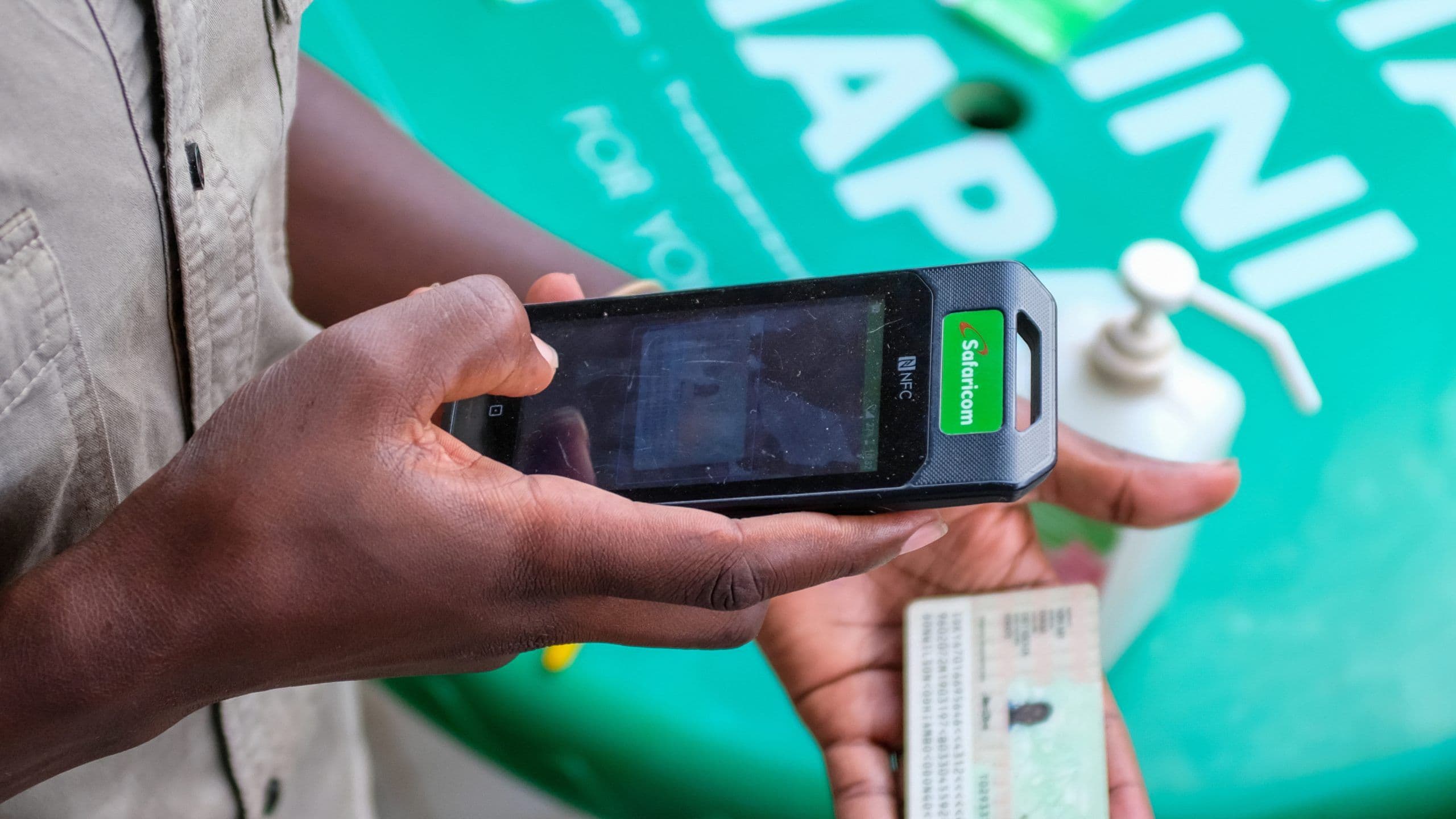
M-PESA Ethiopia says access to its newly launched telco-agnostic application, M-PESA Lehulum (M-PESA for everyone), has been blocked by Ethio telecom.

In a public statement dated December 5, 2025, M-PESA Ethiopia said the app is “currently not accessible on smartphones using mobile data services managed by Ethio Telecom,” leaving some customers unable to log in, transact, or retrieve funds.

The company said it is engaging regulators to resolve the issue and restore access, framing the disruption as a matter affecting consumer choice and service continuity.

The development comes days after M-PESA Ethiopia announced the launch of M-PESA Lehulum on December 1, 2025, which was a major step towards removing traditional network barriers.

According to M-PESA Ethiopia, the block started on December 3, two days after the launch.

“People were suddenly locked out of their accounts. These are people who have already signed up and deposited money. They are calling us saying they are unable to access their money,” M-PESA Ethiopia told Shega in a statement.

Shega tried to access M-PESA Lehulum with an Ethio telecom SIM card and mobile data and, as of the time of writing, was also unable to do so. Shega was unable to obtain a comment from Ethio Telecom before publication.

“The restrictions limit consumer choice, undermine net neutrality, and interfere with legally approved onboarding processes under the financial institution’s license framework,” added M-PESA.  

According to the company, the platform is designed to work with any SIM card and allows users to register using any phone number. Onboarding is done through the Fayda National Digital ID-based eKYC system.

At launch, M-PESA Ethiopia highlighted features such as sending and receiving money, bill payments, merchant payments, airtime purchases, QR-based payments, and an overdraft product known as Errif Be M-PESA. It also pointed to ETHSwitch integration for interoperability with banks and other wallets.

The development is worrying for Safaricom, which paid a total of $1 billion to enter Ethiopia but has repeatedly faced an uneven playing field.

Safaricom executives have been vocal in advocating for the removal of such constraints, highlighting the need for collaboration between the two networks to enhance digital financial inclusion in the country.

In November last year, Wim Vanhelleputte, CEO of Safaricom Ethiopia, said, “Monopoly is a contradiction to liberalization. We have 32 banks; we have multiple fintech financial institutions; all of them should be able to offer digital payments. So, we ask policymakers, if we really want to accelerate Digital Ethiopia, we should try to get all the financial institutions equal access to offer digital payments.”

Two months ago, the World Bank also voiced concerns about the lack of fair play in Ethiopia’s telecommunications sector. In its Ethiopia Telecom Market Assessment report, the World Bank warned Ethiopia’s ambitious digital transformation risks losing momentum unless regulators act decisively to enforce fair competition.

According to the report, Ethio Telecom prices voice calls below the cost of mobile termination rates, forcing Safaricom to absorb losses on every call to Ethio customers. The report also mentions the blocking of Safaricom’s apps by Ethio telecom and the possible abuse of internet ecosystem resources.

“These asymmetries jeopardize the long-term viability of the sector,” the report warns, “which could unwind all the progress made to date.”

In Kenya, mobile network operators such as Telkom, Safaricom, and Airtel have ensured interoperability across their platforms and even enabled seamless mobile money payments to any merchant till number, regardless of operator. This has boosted the adoption and convenience of cashless payments in Kenya.

In May 2025, Ethiopia’s Ministry of Finance issued a directive requiring all federal public institutions to accept payments from any licensed payment service provider. The regulation aims to promote fair competition and strengthen consumer protection, marking a positive step by the federal government.

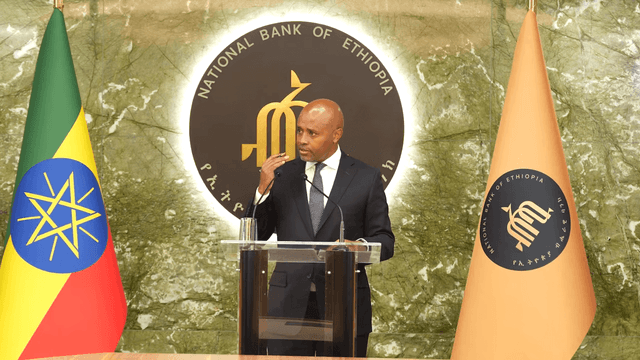
However, the blocking of apps goes beyond the legal scope of the directive. It is a matter that might require both the National Bank of Ethiopia and the Ethiopian Communications Authority to engage.