
Logo

From Campus Idea to Satellite TV: Ethiopia Gets Its First Home Shopping Channel

Post Img

Ethiopia has its first home shopping channel. Built by five college friends, Merkato TV brings live retail to satellite television, complete with price verification from Addis markets

December 13, 2025
Hasset Abebe Avatar

Hasset Abebe

Addis Ababa, Ethiopia

Post Img

Amid the proliferation of informal online shops across social media, a group of five college friends has taken an unlikely leap, launching Ethiopia’s first home shopping channel. Merkato TV, a 24-hour infomercial network, went on air on EthioSat two months ago, following four years of development.

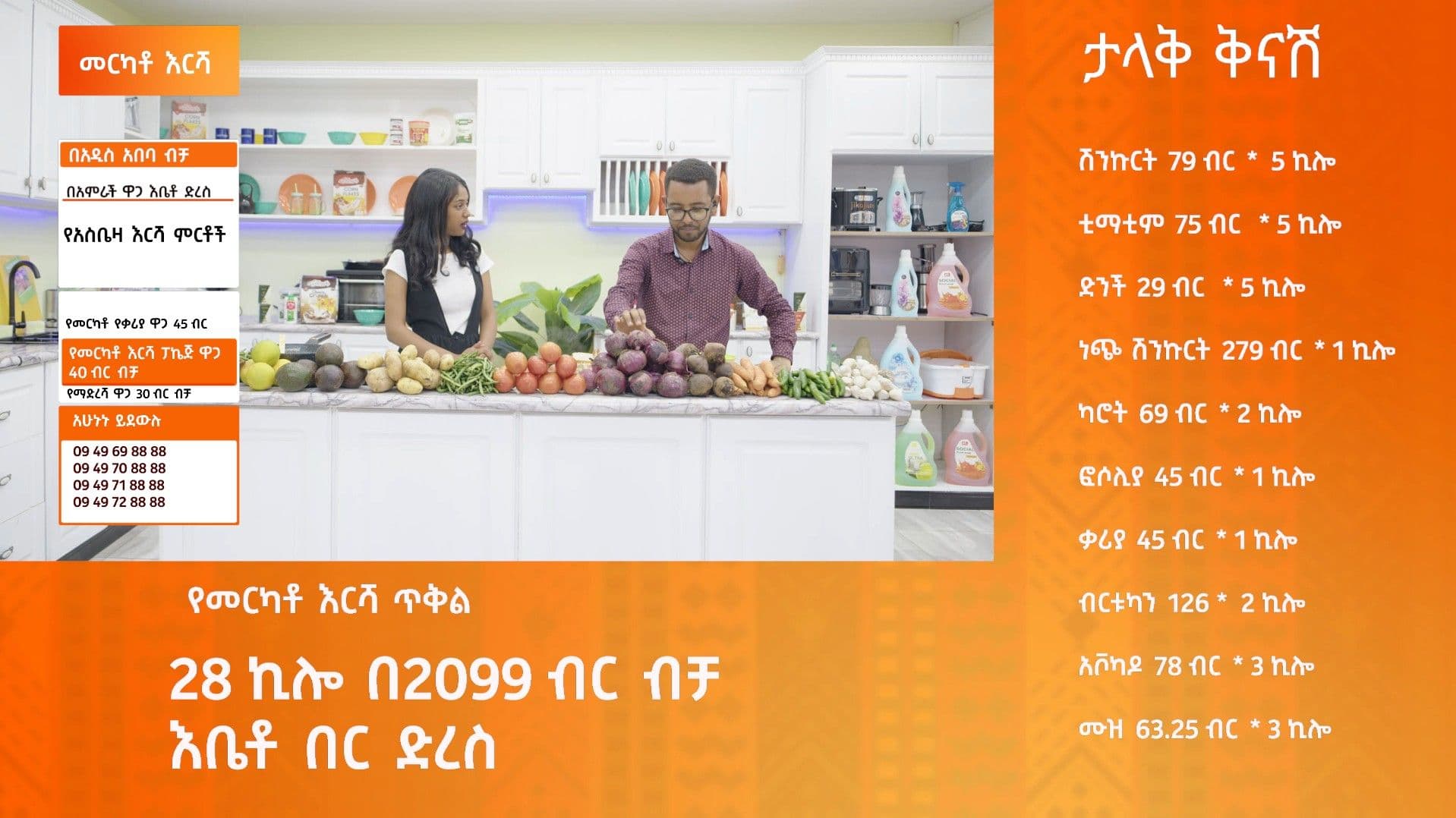
Named after Merkato, Africa’s largest open-air marketplace, whose name itself derives from the Italian word for market, the channel broadcasts product showcases, shares price information gathered from local markets, and allows viewers to place orders directly through the program.

Home shopping channels operate on a direct-to-consumer retail model that blends live television with e-commerce. At their core are host-led product demonstrations that invite viewers to buy in real time. Globally, the format has long been dominated by Home Shopping Network and QVC, both now under the QVC Group, formerly Qurate Retail. Though the companies have faced revenue declines in recent years amid cord-cutting and shifting consumer habits, they still reach around 380 million households worldwide.

The format, which took off in the 1980s, has since evolved from a television-only model toward “live shopping” experiences designed to appeal to younger audiences. In Ethiopia, while some broadcasters have experimented with sales segments, a dedicated home shopping channel had never gone on air until now.

The idea behind Merkato TV traces back five years, when a group of Unity University students walked into a neighborhood shop to buy an energy drink they purchased almost daily, only to find that the price had jumped sharply from the week before. The shop owner offered little explanation beyond a familiar refrain: prices “go up.”

Puzzled, the students pressed a supplier’s delivery driver, who revealed that retailers were paying far less than customers were being charged.

“The margin was unusually wide and inconsistent,” recalled Meba Mathewos, a co-founder and the chief executive of Merkato TV. “That moment revealed that the problem wasn’t simply rising costs, but the absence of transparent price information across the supply chain,” he told Shega.

That realization eventually evolved into the idea for Merkato TV. To determine prices, the channel dispatches staff to markets across Addis Ababa to collect and verify product costs, a process that, the co-founder said, requires receipts at every stage.

Merkato TV now offers a broad mix of commodities and consumer goods, ranging from groceries and garments to children’s clothing, kitchen equipment, mobile phones, and household items. All broadcast content is produced in-house, from filming product demonstrations to presenting them on air. Businesses featured on the platform must provide a valid business license, a tax identification number, and, for food-related items, approval from the Ethiopian Food and Drug Authority, a requirement intended to ensure regulatory compliance and product legitimacy.

The channel currently works with about 30 suppliers, including Afri Herbal, Tesfaye Peanut, and Itel. Deliveries across Addis Ababa are handled through Merkato TV’s own fleet of trucks, small cars, and motorcycles, with a flat fee of 30 birr per household order, well below typical delivery costs in the city. Meba said the low fee reflects the channel’s revenue-sharing model, rather than reliance on delivery charges.

Globally, home shopping channels like QVC and HSN generate revenue through a layered direct-to-consumer approach. They sell products purchased wholesale at a markup, supplementing those sales with consignment and commission-based arrangements that reduce inventory risk. Additional income comes from airtime fees paid by vendors and from digital extensions, including e-commerce platforms, mobile apps, social livestreams, and streaming partnerships.

Merkato TV has followed a similar expansion path online. Its YouTube channel, Merkato TV Worldwide, has attracted more than 78,000 subscribers and over 3 million views, extending its reach beyond satellite television. According to Meba, the channel now receives up to 1,000 calls a day from customers seeking product information or placing orders.